Landscape Maintenance Advice for Healthier Trees and Shrubs


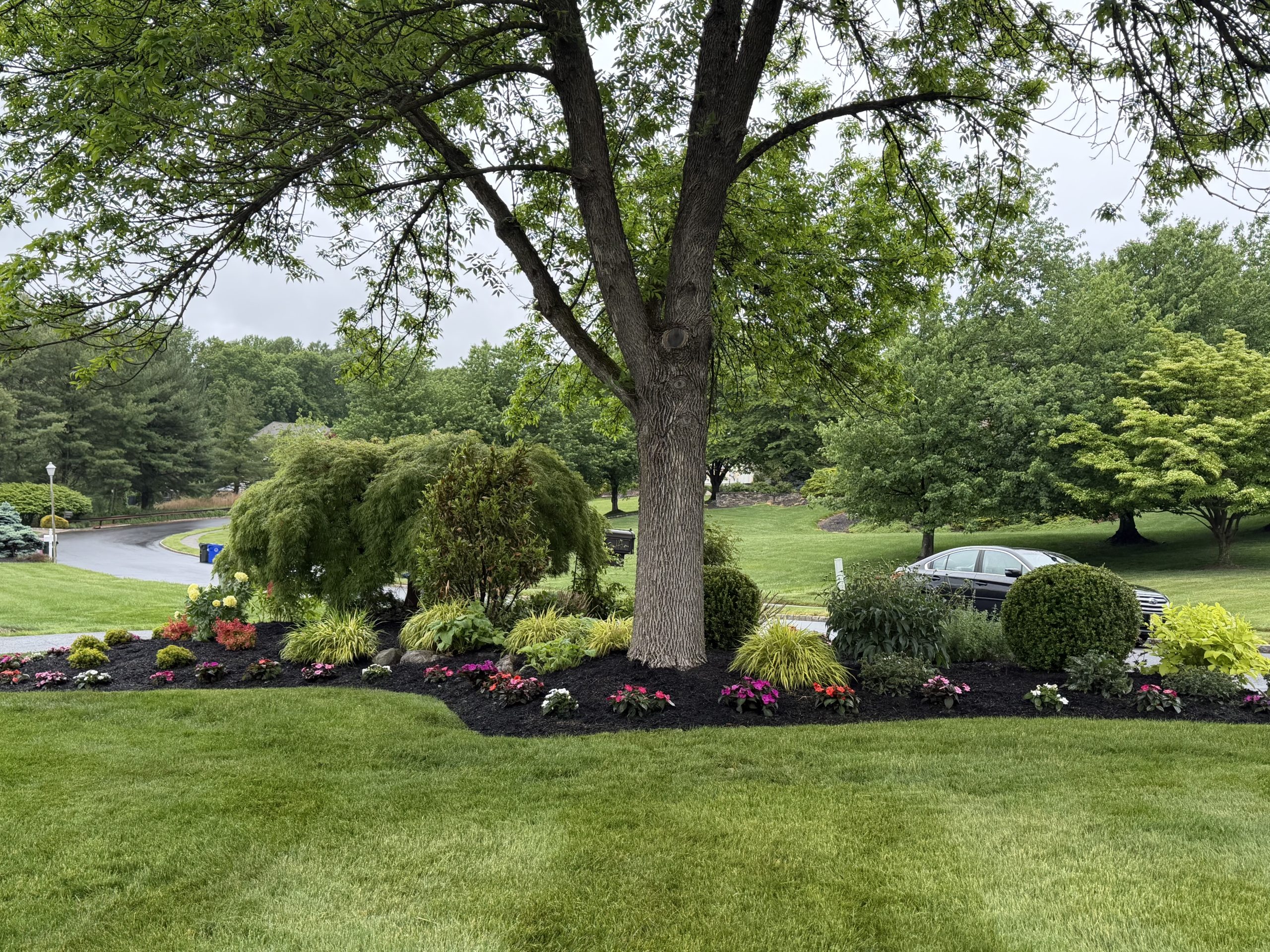
Healthy trees and shrubs rarely happen by accident. They are the result of steady observation, timely care, and a willingness to work with the site instead of against it. In practice, most plant decline starts quietly. A branch tip dies back here, leaves yellow there, a shrub never quite fills in after spring. By the time those problems look serious, the stress has often been building for months or even years.
Good landscape maintenance is not just about making a property look tidy. It shapes root health, water movement, air circulation, pest pressure, and long-term structure. I have seen two properties on the same street, planted with the same species, age very differently simply because one received thoughtful maintenance and the other was handled on autopilot. One had mulch piled against trunks, frequent shallow watering, and shearing at the wrong time. The other had a proper root flare, deep irrigation, and selective pruning. Within a few seasons, the difference was obvious.
If your goal is healthier trees and shrubs, the work begins below the canopy, continues through the growing season, and depends on restraint as much as action.
Start with the root zone, not the leaves
When people notice stress in a tree or shrub, they often focus on the canopy first. That makes sense because discoloration, sparse growth, and dead twigs are visible. The more important story, though, is usually happening in the soil. Roots need oxygen, moderate moisture, stable temperatures, and enough open space to expand. Landscape maintenance practices can either support those needs or slowly choke them off.
One of the most common problems is soil compaction. It shows up around front entries, along pathways, under play areas, and anywhere service crews repeatedly walk or park equipment. Compacted soil limits pore space, which means roots struggle to get air and water even when irrigation is available. The tree may respond with smaller leaves, reduced annual growth, and a canopy that thins from the top or outer edges.
Another frequent issue is competition. Turfgrass, especially when grown right up to the trunk of a young tree, competes aggressively for water and nutrients in the upper soil profile. Shrubs planted too tightly in foundation beds do something similar, though the effect is less obvious at first. A bed can look lush in year two and become a crowded, stressed tangle by year five.
This is where mulching pays for itself. Done correctly, mulch moderates soil temperature, suppresses weeds, conserves moisture, and reduces mower damage. Done poorly, it becomes a source of trunk rot and root decline.
A proper mulch ring should be wide enough to cover a meaningful portion of the root zone, especially on young trees. Depth matters. In most landscapes, about two to three inches is enough. Four inches starts pushing it in heavier soils or damp conditions. More than that often creates problems instead of solving them. The mulch should also be pulled back from the trunk or main stems so the bark stays dry and the root flare remains visible. If you cannot see where the trunk widens into roots, that is a warning sign.
I have pulled back mulch from declining ornamental trees and found bark that stayed constantly damp, feeder roots growing into the mulch instead of the soil, and early girdling roots beginning to circle the trunk. Those problems were not caused by weather or bad luck. They were maintenance issues.
Watering deeply beats watering often
Most trees and shrubs are injured more often by poor watering habits than by outright neglect. The pattern is predictable. A landscape gets a little water almost every day, the surface stays damp, the plants look acceptable for a while, and then a hot stretch arrives. Because the root system has adapted to frequent shallow moisture, it has not pushed downward or outward as effectively as it should. The plant runs out of resilience fast.
Deep watering encourages roots to explore a larger volume of soil. That gives trees and shrubs more stability and a better buffer against heat, wind, and dry spells. How often to water depends on species, soil texture, exposure, and season, but the general principle holds across sites. A slow, thorough soak once or twice a week during dry periods is usually more useful than a light sprinkle every day.
Newly planted material needs special attention. A balled-and-burlapped tree or container-grown shrub has a limited root zone at installation. It cannot forage widely yet, and it is more vulnerable to missed irrigation. During establishment, consistency matters. At the same time, saturated soil is just as dangerous as drought. Roots need oxygen, and heavy clay soils can stay wet longer than people expect.
The easiest way to judge soil moisture is still the simplest one. Dig down a few inches near the root ball or under the mulch and feel the soil. If it is dry and crumbly below the surface, water is needed. If it is slick, muddy, or smells sour, the area may be staying too wet.
Season also changes the equation. Evergreens deserve attention in late summer and fall because they continue to lose moisture through foliage even after deciduous plants begin to shut down. Going into winter dry is especially hard on broadleaf evergreens and recently planted conifers. A well-timed deep watering before the ground freezes can prevent a surprising amount of winter burn.
Pruning with purpose, not habit
Pruning is one of the most misunderstood parts of landscape maintenance. It is often treated as routine grooming, which leads to the same plants being cut the same way at the same time every year, whether they need it or not. That approach can spoil natural form, reduce flowering, invite decay, and stimulate weak regrowth.
The first question should not be, "When do we prune?" It should be, "Why are we pruning this plant?" The answer might be clearance, structure, health, storm damage, size control, flowering, or simply better light penetration. Each goal calls for different cuts and timing.
For trees, structural pruning when they are young is one of the best long-term investments a property owner can make. Removing competing leaders, correcting narrow branch angles, and spacing scaffold branches early helps prevent future failures. Small pruning cuts close faster and create far less stress than major corrective work on a mature tree.
For shrubs, selective thinning is usually more beneficial than repeated shearing. Shearing creates a green shell on the outside and dense shade inside. Over time, the interior loses leaves, airflow drops, and the plant becomes dependent on constant clipping to look presentable. Thinning removes older stems or problem branches at their point of origin, which preserves a more natural habit and encourages interior growth.
Timing matters, especially for flowering shrubs. Spring bloomers such as lilac, forsythia, and many viburnums set flower buds on older wood. If they are heavily pruned in late winter, much of the coming display is lost. Summer bloomers that flower on current season growth tolerate dormant-season pruning far better. This is where a little species knowledge saves a lot of frustration.
A practical rule set helps avoid the most common mistakes:
- Remove dead, broken, diseased, or crossing branches first.
- Make cuts just outside the branch collar, not flush with the trunk.
- Avoid removing a large share of live canopy in one session, especially on stressed plants.
- Prune spring-flowering shrubs soon after bloom if size reduction is needed.
- Step back often and preserve the plant’s natural architecture.
That last point is often the difference between competent pruning and damaging pruning. Every species has a growth habit worth respecting. Boxwood can take formal shaping. Oakleaf hydrangea looks best when allowed some looseness. River birch should not be forced into a rigid outline. A tree or shrub that looks "overmanaged" usually has been.
Fertilizer is not a cure-all
When a plant looks weak, many people reach for fertilizer first. Sometimes that helps. Often it does not. Poor color or sparse growth can come from drought stress, compacted soil, root damage, poor drainage, pH issues, planting depth problems, or trunk injury. Feeding a stressed plant without understanding the cause can waste money and occasionally make things worse.
Nitrogen stimulates growth, and growth is not always what a stressed woody plant needs most. If the root system is compromised, pushing soft new foliage can increase water demand and pest susceptibility. I have seen shrubs in commercial beds receive regular fertilizer and still decline year after year because the actual problem was reflected heat from pavement and a chronic irrigation mismatch.
A soil test is more useful than guesswork, especially if a landscape has repeated problems or older plantings that have plateaued. It can reveal pH issues, phosphorus or potassium deficiencies, and salinity concerns. That information matters because not all soils, or all landscapes, need the same inputs. Established trees in decent soil often need little or no routine fertilization unless a deficiency is documented.
Organic matter and mulch usually do more for long-term soil function than repeated quick-release feeding. In beds where soil has been disturbed, improving structure and moisture retention often changes plant performance more than fertilizer does. Slow-release products have their place, particularly for younger shrubs in managed settings, but they should support a broader maintenance strategy, not substitute for one.
Watch planting depth and trunk flare
Some trees struggle from the day they are installed because they were planted too deep. Others arrive from the nursery with excess soil over the top of the root ball, hiding the true flare. The result is the same. Roots are buried deeper than they should be, oxygen exchange suffers, and trunk tissue may stay too wet. Decline can be slow enough that no one connects it back to planting.
The root flare should be visible at the base of the trunk. On many species, that means the topmost structural roots are at or just below grade. If a tree looks like a straight telephone pole going into the soil, inspect it more closely. The absence of visible flare often means trouble.
Shrubs are less dramatic about this issue, but they can suffer too. Planting a shrub too deep often leads to poor vigor, chlorosis, and stem dieback in poorly drained beds. Foundation plantings are especially prone because soil gets built up over time with mulch, topdressing, and edging changes.
Correcting depth after planting is not always simple, though it is sometimes possible. Excavating excess soil around the trunk, reducing mulch, and exposing the flare can improve conditions. In more severe cases, a tree may need root collar excavation by a trained arborist to identify stem-girdling roots or buried defects.
Pests and disease usually exploit stress
A healthy plant is not immune to pests or disease, but it is far less likely to suffer severe damage from them. Many of the insect and fungal issues seen in ornamental landscapes are secondary, taking advantage of heat stress, poor airflow, overwatering, or wounding. That is why the best pest management often looks like sound landscape maintenance.
Take powdery mildew on susceptible shrubs. Fungicides are sometimes used, but spacing, light exposure, and pruning for airflow often matter more. Scale insects on hollies or magnolias are another example. Heavy infestations are harder to control on plants that are crowded, overly fertilized, https://pastelink.net/u27w63ii or stressed by inconsistent watering. Bagworms thrive where evergreens go uninspected through early summer. Borer problems often spike after drought or trunk injury.
The key is regular observation. Not frantic monitoring, just consistent, informed looking. A property manager who notices stippling on leaves in May, sawdust at the base of a trunk in June, or cankers forming on stressed branches in late winter has options. The one who notices the issue after half the canopy is gone has fewer.
This is also where a cautious hand matters. Not every spot, chew mark, or yellow leaf calls for treatment. Woody plants cycle through minor stresses all the time. Broad sprays applied "just in case" often disrupt beneficial insects and do little to address the underlying condition. Accurate identification should come before intervention.
Lawn equipment injures more trees than storms do
On many properties, the most consistent damage to young trees does not come from weather. It comes from string trimmers and mowers. Repeated contact with bark around the base of the trunk destroys the cambium layer that moves water and sugars through the plant. A little damage one season, a little more the next, and eventually the trunk is girdled.
The frustrating part is how preventable this is. A mulch ring wide enough to keep equipment away from the trunk solves most of it. So do guards in high-traffic areas, though they should be used carefully and checked so moisture and insects are not trapped against the bark. Once the bark is shredded, recovery can be slow or impossible depending on the extent of injury.
Shrubs suffer their own version of mechanical damage. Snow piled by plows, repeated bumping by maintenance carts, and aggressive edging can wound stems and roots. Those injuries become entry points for decay organisms and weaken the plant in ways that show up months later.
Seasonal judgment matters more than a rigid calendar
There is no perfect universal maintenance calendar because weather patterns and site conditions vary so much. A cool, wet spring changes pruning response and disease pressure. A hot autumn changes watering needs. Still, most landscapes benefit from a seasonal rhythm.
In late winter and early spring, before growth surges, it makes sense to inspect structure, remove winter damage, and correct obvious pruning issues. Spring itself is the time to watch new growth closely because nutrient deficiencies, transplant stress, and bud damage become visible quickly. Summer shifts the focus to moisture management, mulch condition, and pest scouting. Fall is ideal for evaluating the year’s growth, reducing stress before winter, and planting many woody species in climates where root growth continues after leaf drop.
A short seasonal checklist can keep maintenance grounded without turning it into rote work:
- Spring, inspect buds, bark, and root flare before fresh growth masks problems.
- Early summer, adjust watering based on heat and rainfall, not habit.
- Mid to late summer, watch for mites, scale, scorch, and drought stress.
- Fall, refresh mulch if needed and water deeply before freeze in dry periods.
- Winter, prune selectively when structure is easiest to see and disease risk is lower for some species.
What matters most is not strict adherence to dates, but responding to plant cues. I have delayed spring pruning on shrubs after a late freeze to see what tissue truly survived. I have also recommended postponing fertilizer on trees after construction because root recovery, not top growth, was the priority. Experience teaches flexibility.
Mature landscapes need editing, not just upkeep
As landscapes age, the maintenance approach has to change. Young installations are about establishment, spacing, and shaping. Mature landscapes are about restraint, renewal, and honest assessment. A shrub that fit perfectly under a window fifteen years ago may now be pressing against siding and shading itself into decline. A tree planted for scale may have outgrown its bed and begun competing heavily with surrounding ornamentals.
This is where many properties drift into expensive mediocrity. Instead of reevaluating the planting design, crews keep shearing, topping, and forcing plants into spaces they have outgrown. The landscape remains technically maintained, but biologically stressed and visually tired.
Renewal pruning can restore some older shrubs by removing a portion of the oldest stems over time, allowing vigorous younger growth to replace them. Some overgrown shrubs are better replaced outright, especially if repeated size control has destroyed their form. Trees may need canopy raising, deadwood removal, or root zone protection if site use has intensified around them.
There is no shame in admitting a plant is wrong for the location. In fact, that is often the most professional judgment available. A large-maturing shrub under a low window, a moisture-loving species in a dry parking lot island, or a thin-barked ornamental on a brutally exposed southwest wall will always require more intervention than it should. Smarter plant selection reduces future maintenance and improves health from the start.
When to bring in a certified arborist or experienced horticulturist
Some maintenance decisions are routine. Others carry real risk. Large pruning cuts, declining mature trees, possible girdling roots, trunk cavities, fungal fruiting bodies near the base, and sudden canopy dieback deserve skilled evaluation. The same goes for landscapes affected by construction, grade changes, or trenching near established trees. Root loss is often more serious than it looks from above ground.
An experienced professional can also help sort out overlapping stress factors. A tree may appear to have an insect problem when the actual trigger is root suffocation from fill soil. A shrub may show leaf scorch that gets mistaken for disease when the issue is compacted soil and reflected afternoon heat. Proper diagnosis saves time and prevents the wrong treatment.
The best results usually come from a partnership mindset. Routine landscape maintenance crews protect the day-to-day health of the site. Arborists and plant specialists step in when structure, diagnosis, or risk goes beyond routine care. On well-managed properties, those roles support each other.
The landscapes that age well
The healthiest trees and shrubs are not always the ones that receive the most attention. More often, they are the ones given the right attention at the right time. Their root flares are visible. Their mulch is sensible. Their irrigation matches the weather and soil. Their pruning respects species and purpose. Their problems are noticed early, before stress compounds into decline.
That kind of landscape maintenance does not feel flashy. It feels observant, measured, and consistent. Yet those are exactly the qualities that keep woody plants vigorous over decades. When you see a property where shrubs still flower well, trees hold good structure, and beds look settled rather than strained, you are usually looking at years of sound decisions, not a single dramatic fix.
Trees and shrubs respond to stewardship. Give them air at the roots, room to grow, water with depth, and pruning with intention, and they repay that care in shade, structure, privacy, bloom, and longevity. That is the real payoff of thoughtful landscape maintenance. It protects the investment you can see, and the living system underneath it that makes the whole landscape work.
Majestic Mowing & Landscaping LLC
Phone number: +19733975532
FAQ About Landscape Maintenance
What is landscape maintenance?
Landscape maintenance is the ongoing care, cleaning, and upkeep of outdoor green spaces to keep them healthy, safe, and attractive.
Is $100 an hour too much for landscape work?
An hourly rate of $100 is not too much for specialized or professional landscape work, though it sits at the higher end of the standard pricing spectrum.
How much do landscapers charge for maintenance?
For professional landscaping maintenance, homeowners typically pay $100 to $410 per month for recurring services, or an hourly labor rate of $50 to $100 per hour per crew member.